New Construction Investment Property: Ultimate Guide to Smart Investing
Investing in a new construction investment property offers a compelling route for real estate investors seeking long-term gains, lower maintenance costs, and fresh amenities. In this article, we will dive deep into what counts as a new construction investment property, explore the unique benefits and risks, examine real-world examples, and walk through practical use-cases to help you assess whether this strategy fits your portfolio.
What Is a New Construction Investment Property?
A new construction investment property refers to real estate that is newly built and offered for investment rather than resale after decades of use. It could be a home, condominium, single-family rental, multi-unit complex, or mixed-use development built recently (or under development) and acquired to generate rental income or capital appreciation.
Typically, “new construction” means the project has been completed recently (within a few years) or is being built virtually from scratch rather than being a renovation or existing building upgrade. The advantage is that wear-and-tear is minimal, systems (HVAC, plumbing, electrical) are up-to-date, building codes are current, and the property often offers modern amenities and design.
In the context of investment property, the focus is on purchasing for the purpose of rental income, tax benefits (such as depreciation and first-owner status), value appreciation, or a combination. Because you start with a fresh asset, many of the maintenance-heavy issues common in older properties are deferred or eliminated.
From an investor’s viewpoint, the term also implies the property has potential upside due to market demand for new construction, possibly higher rents earned versus older stock, and often enhanced resale value simply by virtue of being “new”.
Why Investors Choose New Construction Investment Properties
There are several reasons investors target new construction properties over older ones:
-
Lower maintenance and renovation costs
Because systems and finishes are new, you avoid major replacement costs (roof, HVAC, plumbing) for years. This reduces risk and unexpected expenses. -
Modern amenities and greater appeal
New construction often includes features that modern renters look for: open-floor plans, high-efficiency appliances, smart-home systems, better insulation, and a modern design. This can allow higher rent or better tenant retention. -
Potential premium pricing
New construction may carry a premium in rent or resale value simply because of its condition and perceived value. Investors may capture that premium. -
Regulatory benefits and warranties
Many new builds come with builder warranties on structure, systems, and appliances. Building codes and materials are up to newer standards (e.g., energy-efficiency, fire-safety), reducing compliance risk. -
Strong marketing appeal and image
For both tenants and buyers, a “new” property has a psychological advantage: less stigma, less wear, and a sense of quality. That can accelerate lease-up or resale. -
Flexible uses
New construction units are often built with investment in mind (for example, multi-unit rentals or developments in growth areas). There’s often more opportunity to tailor usage, choose finishes, and plan for flexibility.
All these factors combine to make new construction investment properties an attractive option for serious investors. However, there are also considerations and risks (which we’ll explore in later sections).
Key Considerations When Evaluating a New Construction Investment Property
When evaluating a new construction investment opportunity, you should examine several key factors:
Location and Market Demand
Even the best-built property needs demand for occupancy and resale. Check the location’s economic fundamentals: population growth, employment trends, infrastructure development, school districts, access, and neighborhood trajectory. A new build in a stagnating or oversupplied market may underperform.
Quality of Construction & Developer-Reputation
New construction is only as good as its build quality. Investigate the developer’s track record, warranties provided, materials used, and systems installed. Be sure to inspect finishes, structural elements, and construction standards.
Cost Structure and Financing
New construction may cost more per square foot than an older property, and the initial price may leave less margin. Consider financing terms, interest rates, down payment, and the rental income required to support debt service. Also factor in potential higher property taxes and insurance for new builds.
Rental Income Projections and Lease-Up Time
How quickly can the property be leased out? What rents are achievable? What is the vacancy risk? For new builds, initial leasing may require a marketing period or incentives. Project realistic occupancy and rent growth, not just ideal numbers.
Exit Strategy and Appreciation Potential
What’s the expected hold period? How much appreciation is realistic? Because the property is new, you might face less depreciation, but you must still rely on market growth. Understand how you’ll exit (sell, refinance, hold long-term) and what market drivers will support value.
Risk of Supply Competition
In new construction areas, there may be multiple competing developments coming online simultaneously, which can flood the market and suppress rents or resale value. Investigate pipeline risk.
Maintenance and Operational Costs Over Time
While initially lower, eventual maintenance costs still exist. New properties will eventually become older. Make sure you model 5-10 years out for replacement of minor systems and assume realistic cost escalations.
By carefully assessing these considerations, investors can make more informed decisions and avoid common pitfalls of new construction investment properties.
Real-World Use Cases and Examples
Below are three real-world example use cases describing different types of new construction investment properties, how they function in practice, and the relevance to investors.
Single-Family Rental in a Growth Suburb

Imagine a brand-new single-family home built in a rapidly growing suburb of a metropolitan area. The developer builds several dozen homes in a new subdivision with modern design, energy-efficient systems, and good school district access.
An investor acquires one of the units with the plan to lease it to families. Because the home is new, it appeals to tenants seeking move-in-ready conditions, modern features (like open-plan layout, smart thermostat, dual-zone HVAC), and minimal maintenance concerns. The investor can charge a higher rent than for an older home in the same area.
Over time, the property is well-maintained, attracts quality tenants, and enjoys stable occupancy. After five years, the investor either sells at a premium because the home is still in very good condition and the market has grown, or refinances to pull equity and continue holding.
This use case shows how new construction can reduce vacancy risk, support higher rent, and offer stable cash flow.
Multi-Unit Apartment Building Built for Rentals

A second example: a newly constructed multi-unit apartment building in an urban infill neighborhood. The property has 50 rental units, built with contemporary amenities (fitness center, communal workspace, rooftop deck), and is designed from day one for investors and property management, not for individual owner-occupants.
An investor (or syndicate) purchases many of the units or gains equity in the project. Because the building is new, maintenance costs are minimal initially; the developer-provided warranties reduce risk. The modern amenities attract tenants willing to pay premium rents. There is also potential for future value growth as the neighborhood becomes more desirable.
In this scenario, the investor benefits from economies of scale (multiple units in one building), modern design (reducing turnover), and location advantage (urban convenience). The exit strategy may involve holding for the long term or selling at a point when rents and values have escalated.
Mixed-Use Development with Retail + New Construction Residential

A third example: a mixed-use development in a growing city neighborhood where new construction includes both ground-level retail space and upper-level residential units. The residential units are newly built, marketed for rentals or short-term leasing, and the retail component creates neighborhood vibrancy.
An investor acquires one or more residential units in the project. The appeal is the newness of the build, proximity to amenities and lifestyle features, and the likelihood of premium occupancy and rent due to the development’s overall design and location. The mixed-use nature provides added value: tenants like living above retail, and the retail presence may enhance the overall property value.
Here, the investor’s risk of obsolescence is lower (since the property is new and built with modern design), and the marketing appeal is high. The investor benefits from a diverse income stream (if holding both retail and residential interests) and a property aligned with lifestyle trends (walkability, mixed-use living).
These real-world examples show how new construction investment property can take multiple forms, each with distinct advantages, and how investors can position themselves accordingly.
Benefits of Investing in New Construction Investment Property
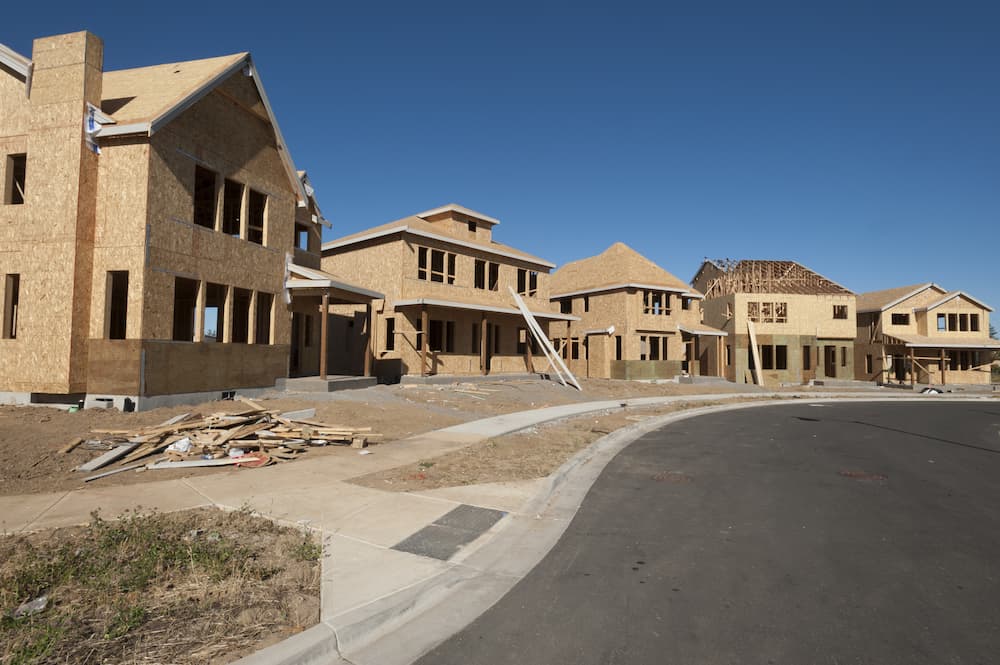
When you invest in a new construction property, the benefits span operational ease, tenant appeal, risk mitigation, and potential value growth. Let’s expand the practical use and advantages in detail:
Reduced Maintenance and Capital Expenditure
Since everything is new, major components such as the roof, plumbing, electrical wiring, HVAC system, windows, and insulation have long useful lives ahead of them. This shifts the time frame of major expense risk far into the future. For investors, that means fewer surprises, less repair downtime, and more predictable budgets. It also means you can often focus more on tenant relations, occupancy, and rental growth rather than reactive maintenance.
Higher Tenant Appeal and Premium Rental Income
Modern tenants frequently prefer new construction for the aesthetics, amenities, and “move-in ready” nature. Features such as open floor plans, high ceilings, smart-home devices, energy-efficient appliances, and contemporary finishes make the property stand out. That increased appeal often translates into higher rents, shorter vacancy periods, and better tenant quality. For example, a new build might command 5-15 % more rent than an older equivalent in the same location due to its condition and features.
Energy Efficiency and Lower Operating Costs
New construction is often built under more stringent building codes and uses newer materials and systems. This means better insulation, more efficient HVAC, low-flow plumbing fixtures, LED lighting, and sometimes smart-home monitoring. For the investor, these benefits mean lower utility costs (if paid by the landlord) and fewer maintenance headaches. Tenants often appreciate lower utility bills, which can enhance retention. Over a hold period, reduced operating costs improve net operating income (NOI) and thus value.
Longer Useful Life and Future Value Protection
New properties have more “headroom” in terms of useful li, meaning fewer years remaining until major system replacements compared to older properties. That provides a kind of depreciation cushion. When you eventually sell, the property will have aged fewer years than an older property of similar vintage, which makes it more appealing to future investors or owner-occupants. In markets where buyers pay for condition, new construction helps preserve value and may attract a premium.
Marketing Advantage and Resale Value
“New construction” is a marketable differentiator. Whether you’re leasing to tenants or selling later on, being able to advertise “built in [year]”, modern systems, and minimal maintenance can provide a competitive edge. For eventual resale, buyers often pay extra for condition and amenities—they’re buying less risk and more lifestyle features. That can support higher resale prices or quick sales.
Diversification and Risk Mitigation
While all real estate investment carries risk, new construction can mitigate certain risks, especially related to deferred maintenance, major system failures, and obsolete design. In some cases, new construction can also benefit from tax incentives, builder warranties, or even promotional pricing at launch that improves yield. By reducing certain forms of risk, investors can focus on cash flow and growth.
By understanding and leveraging these benefits, investors can build portfolios that are less maintenance-intensive, more tenant-friendly, and positioned for long-term value growth.
Use Cases: What Problems Does New Construction Solve & Why It’s Useful
Let’s explore practical scenarios where investing in new construction solves real-world problems and why it’s useful in everyday investor decisions.
Use Case 1: Reducing Unexpected Maintenance and Vacancy Risk
Problem: Older investment properties often encounter surprise costs (e.g., roof collapse, plumbing leaks, electrical rewiring), which lead to downtime, tenant dissatisfaction, and reduced cash flow.
Solution: A new construction investment property starts with a clean slate; the major components are new, warranties are in place, and the design is current. The investor avoids many of the first five to ten years of replacement risk and enjoys more stable operations. As a result, vacancies and repair disruptions are less frequent, which means cash flow is more predictable.
Use Case 2: Attracting Quality Tenants & Commanding Higher Rent
Problem: In a competitive rental market, older properties may struggle to stand out, command lower rents, suffer more frequent tenant turnover, and incur more maintenance costs.
Solution: A modern new build with desirable amenities, efficient layout, and updated finishes appeals strongly to desirable tenant profiles (young professionals, families seeking modern homes, etc.). The investor can charge premium rent, maintain higher occupancy, and build a reputation for quality. Guests or tenants may stay longer, meaning lower turnover costs and higher net returns.
Use Case 3: Positioning for Appreciation in Growth Markets
Problem: In areas undergoing infrastructure investment or demographic change, older properties may not capture the full upside due to condition or design limitations.
Solution: A new construction property in a growth corridor (for example, near new transit, jobs, schools, or urban redevelopment) is ideally positioned. Because the property is new, it capitalizes more fully on the emerging demand and avoids being “dated” at the time of sale. Thus, the investor may benefit from both rental growth and capital appreciation.
Use Case 4: Portfolio Scaling and Operational Efficiency
Problem: Managing multiple older properties can become operationally heavy due to disparate ages, maintenance schedules, differing systems, and unpredictable costs.
Solution: Investing in new construction (particularly multi-unit developments) allows for more streamlined operations: similar systems across units, lower immediate maintenance, and fewer surprises. Easier management scaled across units can improve operational efficiency, reduce stress and cost, and build a more scalable investment structure.
In each of these use cases, new construction investment property offers tangible solutions to common investor challenges, particularly around maintenance risk, tenant quality, rent premium, and strategic positioning for growth.
Risks and Challenges to Be Mindful Of
While there are strong advantages, new construction investment also comes with specific risks:
-
Higher initial cost: New builds often come at a premium price compared with comparable older properties, which narrows the margin if rent doesn’t keep up.
-
Delayed income: If the property is under construction or needs leasing-up, there may be a lag before revenue begins.
-
Supply risk: New developments often occur in clusters, and oversupply can depress rents or occupancy.
-
Market risk: New construction in a declining market still faces value erosion.
-
Build quality risk: Some new projects may cut costs on materials or systems; due diligence remains crucial.
-
Exit risk: Because the value is tied partly to “newness,” as the property ages, the advantage diminishes; resale may need investment in upkeep to maintain condition.
Understanding and planning for these risks helps balance the decision and ensures a more realistic long-term strategy.
How to Approach Investing in New Construction – Step-by-Step
Here is a structured approach you can follow:
-
Define your investment goal: Are you seeking cash flow, appreciation, or a balance?
-
Select markets with growth fundamentals: Focus on population growth, job creation, infrastructure plans, and limited supply.
-
Analyze the new construction project: Investigate developer reputation, construction timeline, amenities, building systems, warranty coverage, unit mix, and projected rents.
-
Run financial modeling: Estimate acquisition cost, operating expenses, financing terms, expected rent/occupancy, future capital expenditures, hold period, and exit assumptions.
-
Perform due diligence: Review plans, permits, contracts, construction schedule, neighborhood analysis, and comparable new builds in the area.
-
Consider timing: Evaluate whether you’re buying early (pre-construction) or after completion—each has benefits and risks (e.g., pre-construction may provide lower cost but more risk; post-construction offers certainty but may cost more).
-
Plan for operations: Decide how you will manage the property—self-manage or use a property manager; examine lease structure, tenant profile, and maintenance planning.
-
Exit strategy: Map out your planned hold period, criteria for sale or refinance, and contingencies if market conditions change.
-
Monitor and adjust: After acquisition, track occupancy, rent growth, maintenance issues, market dynamics, and be ready to adjust strategy as needed.
By following a disciplined process, you can maximize the upside of new construction investment while minimizing the typical risks.
Summary and Investor Takeaways
Investing in a new construction investment property presents a compelling path for investors who prioritize modern amenities, reduced maintenance risk, tenant appeal, and strategic positioning in growth markets. While initial costs may be higher and supply risks exist, the potential for premium rent, lower downtime, and long-life assets makes this a strong choice for many portfolios.
Here are the key takeaways:
-
New construction properties offer lower maintenance risk, better appeal, and longer effective useful life.
-
Location and market fundamentals remain critical—new construction does not substitute for a weak location.
-
Real-world examples (single-family, multi-unit apartment, mixed-use) show the versatility of this approach.
-
Thorough due diligence, realistic financial modeling, and a clear exit strategy are essential.
-
The investment should align with your goals: whether cash flow, appreciation, or both.
-
Be mindful of risks: higher cost, supply competition, build-quality issues, and market timing.
If you structure the deal wisely, investing in new construction can support stable income, strong tenant satisfaction, and healthier long-term value.
Frequently Asked Questions
Q1: Is new construction always better than buying an older property for investment?
Not necessarily. While new construction offers many advantages (lower maintenance, modern appeal), older properties can sometimes provide value if acquired at a discount, renovated for higher profit, or located in strong markets with limited new supply. The right choice depends on your investment goals, risk tolerance, cost structure, financing, and market context.
Q2: Should I buy a new construction property pre-construction or after it is completed?
Buying pre-construction often offers lower acquisition cost and potential for value growth by the time it is completed, but it carries risks: construction delays, changes in market conditions, and uncertainty around the final product. Buying after completion provides clarity on quality, rental demand, and condition, but often at a higher entry price. Choose based on your risk appetite and timeline.
Q3: How long should I hold a new construction investment property to maximize returns?
There’s no one-size answer, but many investors plan for a medium-term hold of five to ten years or more. Early years benefit from minimal maintenance; later years may require major replacements, and the “new” appeal diminishes. Holding long-term can ride both income and appreciation, but you should model future capital expenditures and market trends to define your exit.