Home Builder ETFs: Complete 2025 Guide with Examples, Insights, and Benefits for Investors
The housing market continues to play a vital role in global economic growth, and for many investors, home builder ETFs have become an attractive way to gain diversified exposure to this sector. From capturing the performance of leading construction firms to benefiting from rising housing demand, these funds allow both retail and institutional investors to participate in the long-term growth of the real estate and home construction industries.
In this comprehensive guide, we’ll explore what home builder ETFs are, how they operate, their advantages, real-world examples, and how technology enhances portfolio construction and risk management in this niche but powerful segment of the market.
What Are Home Builder ETFs?
Home builder ETFs (Exchange-Traded Funds) are investment funds that track indexes composed of companies involved in home construction, building materials, residential development, and related industries. These ETFs allow investors to gain exposure to a broad range of housing-related stocks through a single, tradable security.
Typically, home builder ETFs include firms that build single-family homes, multifamily residential properties, and suppliers of construction materials, as well as companies providing home improvement or renovation services. By investing in such ETFs, individuals gain a diversified stake in the housing sector without the need to pick individual stocks.
The performance of home builder ETFs is influenced by several factors: housing demand, interest rates, inflation, consumer confidence, and government policies on housing development. In periods of low interest rates and strong consumer sentiment, these ETFs often outperform broader market indices.
How Home Builder ETFs Work
Home builder ETFs pool investors’ money to purchase a diversified portfolio of stocks related to the construction and housing sectors. They are typically passively managed, tracking an index like the Dow Jones U.S. Select Home Construction Index or the S&P Homebuilders Select Industry Index.
Investors buy shares in these ETFs, which are traded on major exchanges just like regular stocks. This structure allows for liquidity, transparency, and relatively low management fees compared to mutual funds. Additionally, many ETFs distribute dividends to investors from the underlying companies’ profits.
By offering diversified exposure, home builder ETFs reduce the risks associated with investing in a single homebuilding company while maintaining potential for substantial returns during housing booms.
Why Investors Choose Home Builder ETFs
Home builder ETFs attract investors for several key reasons:
-
Diversification: Instead of buying individual construction or real estate stocks, investors get exposure to a basket of housing-related companies.
-
Simplicity: ETFs offer easy entry and exit through stock exchanges, without needing to manage multiple positions.
-
Growth Potential: Housing markets often experience cyclical booms driven by economic expansion, population growth, and urbanization.
-
Inflation Hedge: Real estate-related investments, including home builder ETFs, tend to perform well during inflationary periods as housing prices rise.
-
Dividends and Returns: Many underlying companies distribute consistent dividends, providing both income and potential capital gains.
Real-World Examples of Home Builder ETFs
SPDR S&P Homebuilders ETF (Ticker: XHB)
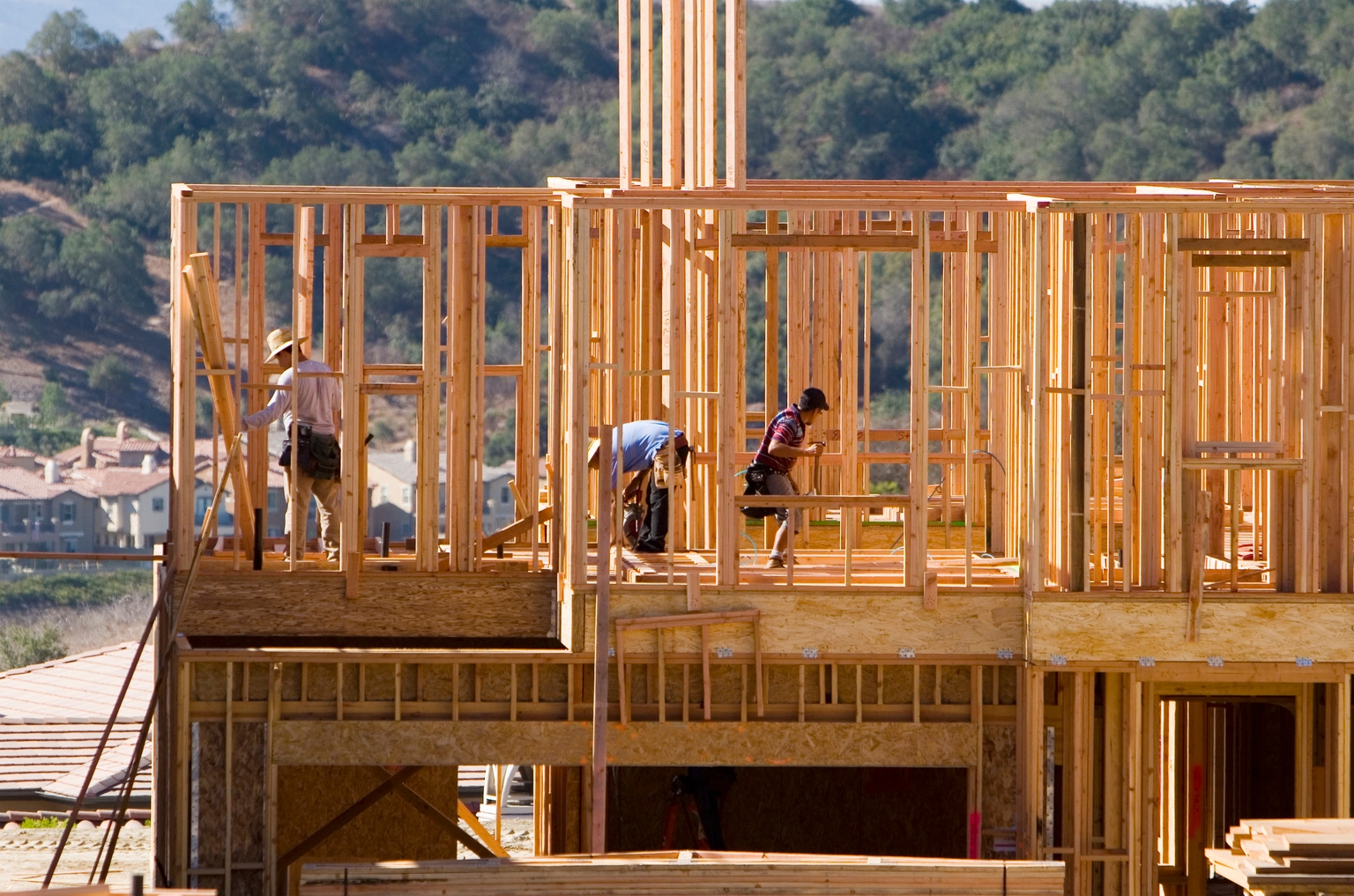
The SPDR S&P Homebuilders ETF (XHB) is one of the most recognized ETFs in the housing sector. It tracks the performance of the S&P Homebuilders Select Industry Index, which includes companies involved in home construction, building products, and home furnishings.
XHB’s portfolio includes well-known firms such as DR Horton, Lennar Corporation, Home Depot, and Lowe’s. It is equally weighted, meaning each stock contributes roughly the same impact on performance, reducing concentration risk. The ETF appeals to investors seeking diversified exposure to both construction companies and related suppliers.
iShares U.S. Home Construction ETF (Ticker: ITB)
:max_bytes(150000):strip_icc()/GettyImages-2229115477-a80234fa7c214db2838a4014b6ad7d2e.jpg)
The iShares U.S. Home Construction ETF (ITB) focuses primarily on companies that build residential homes. Managed by BlackRock, ITB tracks the Dow Jones U.S. Select Home Construction Index.
ITB has a higher concentration in pure-play homebuilders like NVR Inc., PulteGroup, and Lennar Corp., making it ideal for investors who want focused exposure to the residential construction market. The fund tends to perform strongly when housing demand and new construction permits increase.
Invesco Dynamic Building & Construction ETF (Ticker: PKB)

The Invesco Dynamic Building & Construction ETF (PKB) takes a more strategic approach by using a dynamic selection methodology. It chooses companies based on various investment factors such as earnings momentum, value, and management quality.
Unlike pure market-cap-weighted ETFs, PKB can adapt to changing market conditions. This makes it suitable for investors seeking exposure to construction companies that may benefit from infrastructure development, housing growth, and technological innovation in building materials.
Hoya Capital Housing ETF (Ticker: HOMZ)

The Hoya Capital Housing ETF (HOMZ) offers a comprehensive view of the entire housing ecosystem. It invests in homebuilders, home improvement companies, real estate developers, and rental property operators.
This ETF’s broad exposure across multiple housing-related segments provides balanced performance and resilience against downturns in any single area of the industry. HOMZ also integrates sustainability-focused holdings, reflecting the growing importance of eco-friendly construction and green housing developments.
The Role of Technology in Home Builder ETFs
Technology is revolutionizing the housing industry and, by extension, the performance and management of home builder ETFs. Digital platforms, data analytics, and artificial intelligence help fund managers and investors make better decisions.
Data Analytics and AI in ETF Management
Advanced data analytics tools monitor housing permits, construction costs, labor data, and mortgage rates in real time. AI-driven models analyze these metrics to forecast sector trends and identify potential investment opportunities. For ETF issuers, this improves index weighting decisions and enhances risk-adjusted performance.
Digital Construction Technologies
Many companies within home builder ETFs leverage construction technology (ConTech) such as 3D printing, modular construction, and AI-powered design tools. These innovations improve building efficiency, reduce costs, and enhance profit margins, benefiting both companies and ETF investors.
Smart Infrastructure and Green Building Trends
Sustainability has become a dominant force in modern construction. Home builder ETFs increasingly include firms focused on smart homes, renewable energy integration, and eco-friendly building materials. This technological evolution aligns long-term investment growth with environmental responsibility.
Benefits of Investing in Home Builder ETFs
1. Access to a Booming Sector
Home builder ETFs give investors exposure to the housing sector, a critical driver of the economy. As urbanization and population growth continue, housing demand remains robust, supporting steady earnings growth for construction companies.
2. Lower Risk Through Diversification
Rather than betting on one company, investors spread risk across multiple firms in construction, manufacturing, and home improvement. This reduces exposure to company-specific downturns.
3. Liquidity and Transparency
ETFs trade on major stock exchanges, allowing investors to buy or sell them easily. Their holdings are publicly disclosed, ensuring transparency in what investors own.
4. Long-Term Growth Potential
As governments worldwide invest in housing infrastructure and modernization, the long-term outlook for home builder ETFs remains strong. Investors benefit from exposure to cyclical upswings in construction demand.
Practical Use Cases for Home Builder ETFs
Case 1: Portfolio Diversification
An investor looking to diversify beyond traditional equities can use home builder ETFs to gain exposure to a sector with unique growth drivers. The construction industry’s sensitivity to interest rates provides a counterbalance to tech or industrial stocks.
Case 2: Inflation Protection
During inflationary periods, housing prices and construction costs tend to rise. Home builder ETFs can act as a natural hedge, as the underlying companies often pass on increased costs to consumers while maintaining profitability.
Case 3: Economic Recovery Play
In post-recession environments, housing demand typically rebounds strongly due to pent-up demand and government incentives. Investors use home builder ETFs to capitalize on these recovery cycles without needing to pick individual winners.
Case 4: Sustainable Investment Strategy
With green building initiatives gaining traction, many investors incorporate home builder ETFs that include environmentally responsible firms. This approach aligns financial growth with sustainable development goals.
Challenges and Risks of Home Builder ETFs
While these ETFs offer numerous benefits, investors must remain aware of potential challenges:
-
Interest Rate Sensitivity: Rising rates can reduce mortgage affordability, slowing housing demand.
-
Economic Cycles: The construction industry is cyclical, often performing best during economic expansions.
-
Cost Pressures: Fluctuations in raw material and labor costs can impact profit margins.
-
Regulatory Changes: Government policies and building regulations can influence sector growth rates.
A thorough understanding of these factors helps investors manage risks effectively within their broader portfolios.
The Future of Home Builder ETFs
The future of home builder ETFs looks promising, supported by ongoing housing demand, innovation in construction technology, and sustainability-driven building practices. Investors can expect greater integration of AI-driven fund management, ESG-compliant construction firms, and global diversification within next-generation ETFs.
As housing markets evolve and digitalization continues, these ETFs will remain a key investment vehicle for those seeking exposure to one of the most essential and resilient sectors of the global economy.
Frequently Asked Questions (FAQ)
1. What makes home builder ETFs different from real estate ETFs?
Home builder ETFs focus specifically on companies that construct and supply housing, while real estate ETFs generally invest in property management firms or real estate investment trusts (REITs).
2. Are home builder ETFs good for long-term investing?
Yes. Due to their exposure to long-term housing demand, technological innovation, and economic growth, home builder ETFs are suitable for investors with medium- to long-term horizons.
3. How do interest rates affect home builder ETFs?
Higher interest rates can slow housing demand by making mortgages more expensive, which may reduce construction activity. Conversely, lower rates typically boost home builder performance and ETF valuations.