Understanding Bond for Construction: Types, Uses, and Importance in Project Success
A construction bond is a critical financial tool designed to ensure that a construction project is completed according to contract terms. It acts as a safety net for project owners, guaranteeing that contractors meet their obligations. Without these bonds, the construction industry would face higher risks of project abandonment, financial losses, and disputes.
This comprehensive guide will explore how construction bonds work, the different types available, real-world examples, and their vital role in ensuring smooth project execution.
What Is a Bond for Construction?
A construction bond, also known as a contract surety bond, is a type of financial guarantee issued by a surety company. It assures project owners that contractors will fulfill their contractual duties. If the contractor fails to perform, the surety compensates the project owner or ensures that the project is completed by another contractor.
These bonds are commonly required in both public and private sector projects, especially when dealing with large-scale infrastructure or commercial developments.
Why Construction Bonds Are Necessary
Construction projects involve multiple stakeholders, significant capital, and long timelines. The risks are high, ranging from contractor insolvency to performance failures. Bonds mitigate these risks by offering financial assurance and legal recourse in case of contract breaches.
For example, in government projects, a bond ensures taxpayer money is protected, while in private developments, it safeguards the investor’s capital.
Main Types of Construction Bonds
Bid Bond
A bid bond guarantees that a contractor who wins a project bid will honor the contract and provide required performance bonds. It protects project owners from unqualified or non-serious bidders. If the contractor backs out after winning, the owner receives compensation for the inconvenience.
Bid bonds maintain the integrity of the tendering process and prevent delays due to unreliable contractors.
Performance Bond
A performance bond ensures the contractor completes the project according to agreed standards and timelines. If the contractor fails to perform, the surety company either covers the financial loss or hires another contractor to complete the job.
Performance bonds are essential in ensuring quality, compliance, and timely delivery in construction projects.
Payment Bond
A payment bond guarantees that subcontractors, laborers, and material suppliers get paid even if the main contractor defaults. This prevents liens and disputes, ensuring smooth project execution.
Payment bonds are especially vital for large projects involving multiple subcontractors, ensuring fair compensation and uninterrupted workflow.
How Construction Bonds Work in Practice
When a project owner requires a bond, the contractor applies through a surety company. The surety assesses the contractor’s financial health, experience, and creditworthiness before issuing the bond. The bond amount typically ranges between 5% and 20% of the project’s total value.
If the contractor defaults, the project owner files a claim against the bond. The surety then investigates and either compensates the owner or arranges for another contractor to finish the project.
This system ensures accountability, performance reliability, and transparency across all project phases.
Real-World Examples of Construction Bonds in Action
Infrastructure Development Project

In a public infrastructure project like a highway, performance and payment bonds protect the government’s investment. When a contractor faced bankruptcy mid-project, the surety company financed a replacement contractor, ensuring the project’s completion without financial loss to the state.
This example highlights how bonds protect taxpayers and maintain project timelines.
Commercial Real Estate Construction
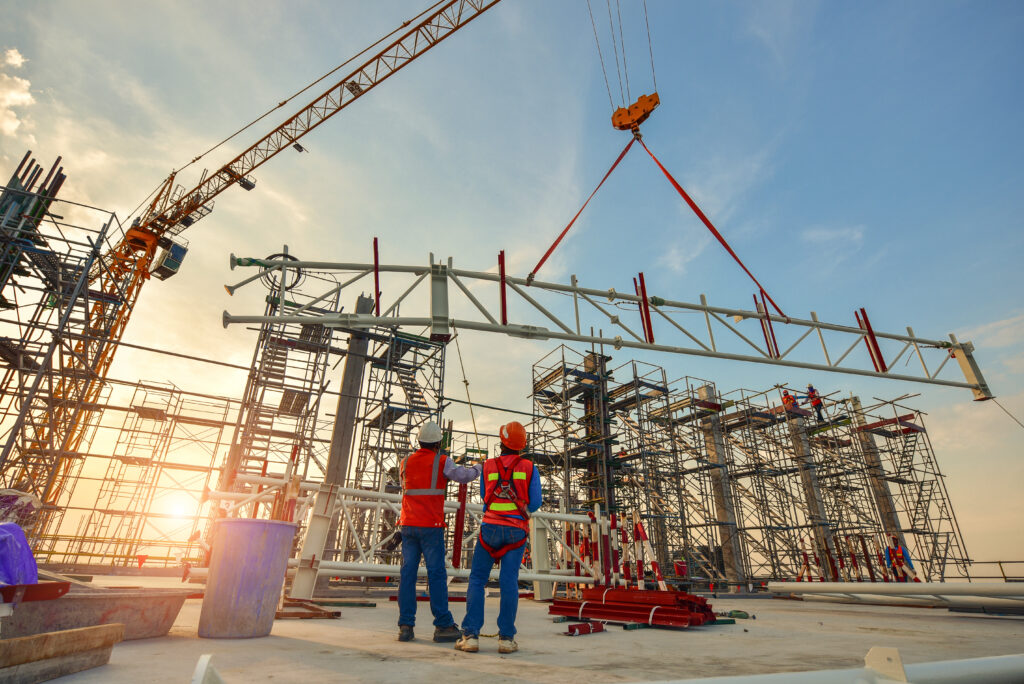
A property developer constructing an office tower required contractors to provide bid and performance bonds. When one bidder withdrew after winning the tender, the bid bond covered additional costs for re-tendering. This prevented project delays and maintained investor confidence.
Private Residential Development

In private housing developments, payment bonds ensure that subcontractors and suppliers receive payment even if the main contractor faces financial issues. This promotes trust and stability among all parties involved.
Benefits of Using Technology in Construction Bond Management

Technology has transformed the way bonds are issued, managed, and monitored. Digital surety platforms streamline processes, reducing manual paperwork and improving transparency.
Digital Innovations in Bond Management
- Automated Application Systems: Contractors can now submit bond applications online, with instant credit analysis and approval notifications.
- Real-Time Tracking: Project owners and sureties can monitor bond statuses, claims, and performance metrics via centralized dashboards.
- Data Security and Compliance: Blockchain technology ensures document authenticity and secure transaction history.
These innovations minimize administrative errors, enhance trust, and accelerate project approvals.
Benefits of Construction Bonds for Stakeholders
Construction bonds offer multiple advantages across the industry:
- Risk Mitigation: Reduces financial risk for project owners.
- Legal Protection: Provides enforceable recourse in case of non-performance.
- Trust and Credibility: Demonstrates contractor reliability and professionalism.
- Financial Stability: Ensures that funds flow smoothly to suppliers and workers.
Overall, construction bonds uphold the integrity and sustainability of the construction industry.
Practical Use Cases and Real-Life Applications
Case Study 1: Public Infrastructure Projects
Public works, like roads, bridges, and schools, rely on bonds to ensure completion. When unforeseen issues arise, the bond ensures continuity without budget overruns.
Case Study 2: Large Commercial Developments
Developers require contractors to post bonds before signing contracts. This ensures only financially capable and credible builders participate in the project.
Case Study 3: Private Construction Agreements
Even small-scale property owners use performance bonds to ensure contractors deliver as promised, protecting their financial investment.
Common Challenges in Construction Bonding
While beneficial, the bonding process can be complex. Contractors often face challenges like:
- Stringent qualification requirements.
- High bond premiums for risky projects.
- Lengthy claim resolution times.
Addressing these issues requires collaboration between contractors, surety providers, and project owners, supported by modern digital tools.
FAQs
1. What is the main purpose of a construction bond?
A construction bond ensures that contractors meet their contractual obligations, protecting project owners from financial losses due to default or non-performance.
2. Are construction bonds required for all projects?
Not always. They are mandatory for most government-funded projects and highly recommended for large private contracts to ensure accountability.
3. How does a contractor qualify for a construction bond?
Contractors must demonstrate financial strength, a solid performance record, and a good credit history. Surety companies evaluate these factors before approval.