New Build Investment Property: Complete Guide, Insights & Real-World Examples (2025 Update)
Investing in new build properties has become a growing trend among modern investors who seek reliable income streams, energy-efficient buildings, and long-term capital appreciation. Whether you’re a first-time investor or a seasoned property owner looking to expand your portfolio, understanding the fundamentals of new build investment property can help you make smarter financial decisions and reduce risks.
This article provides a comprehensive exploration of what a new build investment property means, how it works, the benefits it offers, and real-world examples that demonstrate its profitability in today’s market.
What Is a New Build Investment Property?
A new build investment property refers to a residential or commercial building constructed from the ground up, typically by property developers to be sold or rented out. These properties are brand new, often featuring modern architecture, energy-efficient systems, and low maintenance requirements compared to older buildings.
Unlike existing properties, new builds attract investors because they meet current construction standards and appeal to tenants looking for contemporary living. Developers usually offer incentives like warranties, lower repair costs, and customizable interior options, making them attractive long-term assets.
Why Investors Choose New Build Properties
The growing interest in new build investment properties is not coincidental. Investors value their predictability, efficiency, and potential for steady cash flow. New builds also align with sustainability goals, an increasingly important consideration for modern buyers and renters.
Many investors prefer new builds because they require less immediate capital expenditure on maintenance and upgrades. Additionally, since these properties often meet or exceed energy-efficiency standards, they can significantly lower ongoing costs for tenants, improving rentability and retention.
Key Benefits of Investing in New Build Properties
1. Lower Maintenance and Repair Costs
One of the most appealing aspects of new build investments is the reduced maintenance burden. Since all fixtures, fittings, and building materials are new, there’s less likelihood of major repairs in the first few years. Many developers also provide warranties covering structural issues, appliances, and plumbing systems, which helps investors maintain steady profits.
2. Enhanced Energy Efficiency
Modern construction techniques and materials prioritize energy conservation. Features such as double-glazed windows, smart thermostats, solar panels, and better insulation lower energy bills and attract environmentally conscious tenants. Over time, this translates into lower operational costs and a higher property valuation.
3. Strong Tenant Appeal
Tenants are increasingly drawn to modern, energy-efficient homes with clean aesthetics and integrated technology. New build developments often include amenities like gyms, parking spaces, and co-working areas, features that older properties lack. This appeal drives high occupancy rates and stable rental income.
4. Long-Term Capital Growth

New build properties located in growing regions or near infrastructure projects (such as new transport lines or schools) tend to appreciate faster. Early investors benefit from buying at lower pre-construction prices and can realize strong capital gains once development in the area matures.
Real-World Examples of New Build Investment Properties
The Nine Elms Development, London
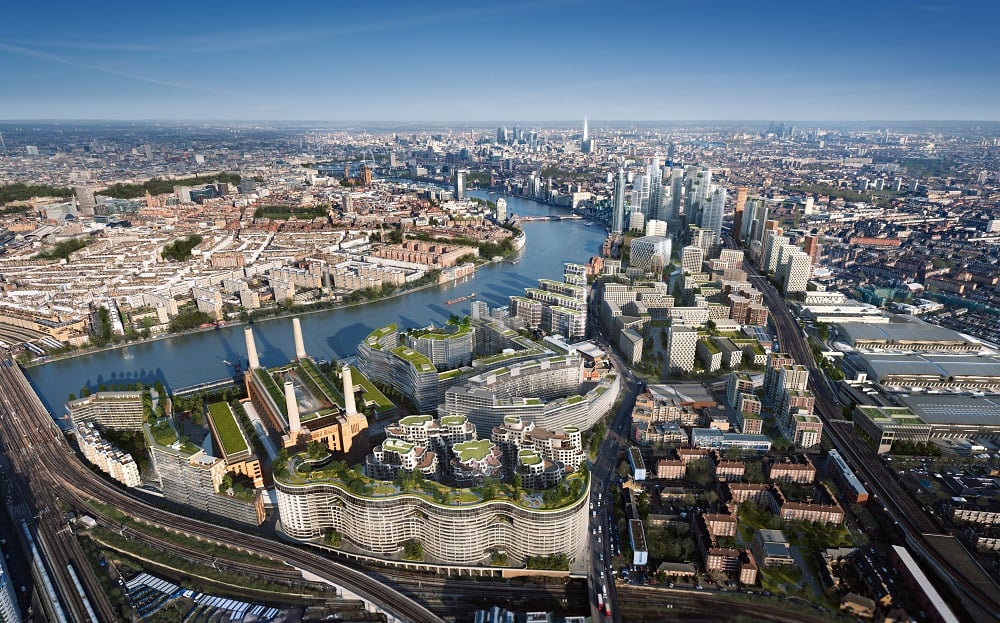
The Nine Elms Development in London is one of the largest urban regeneration projects in Europe. It transformed a formerly industrial area into a vibrant community of luxury apartments, offices, and retail spaces.
Investors in this new build area benefit from high rental yields, modern facilities, and proximity to central London. The development has set a new benchmark for mixed-use investment properties and continues to attract both local and international investors seeking stability and capital appreciation.
Barangaroo Towers, Sydney
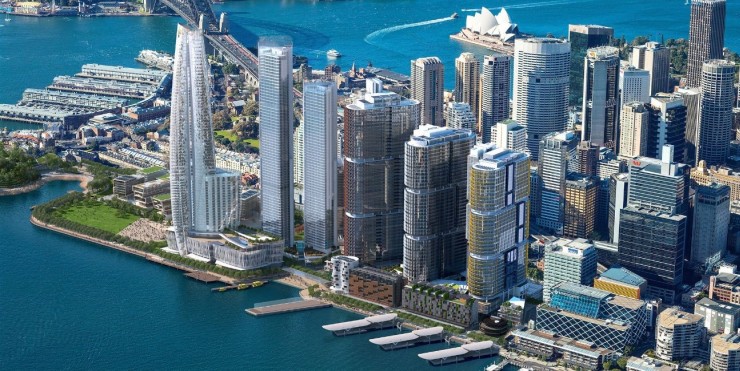
Located on Sydney Harbor, Barangaroo Towers is a master-planned precinct offering a mix of commercial and residential spaces. It demonstrates how new build projects can revitalize underutilized urban areas.
For investors, Barangaroo represents a unique opportunity to participate in one of Australia’s most sustainable developments. The area integrates green building principles, including carbon neutrality and energy-efficient design, which enhances both its long-term value and rental attractiveness.
Hudson Yards, New York City

The Hudson Yards project in Manhattan stands as a global example of the potential of new-build investments in major cities. Built on a redeveloped rail yard, this ambitious project combines office towers, luxury residences, and retail spaces.
Investors are drawn to its high-end infrastructure and innovative design, making it a long-term investment hub. Hudson Yards demonstrates how modern construction and urban planning can significantly elevate property value and investor confidence.
The Role of Technology in New Build Investments
Technological advancements have transformed the property investment landscape, particularly in the realm of new builds. Developers now incorporate smart home systems, AI-based energy management, and digital property management tools to enhance efficiency and attract tech-savvy tenants.
Smart Home Integration
New build properties often come equipped with intelligent lighting, heating, and security systems. This not only increases tenant satisfaction but also reduces running costs. For investors, properties with smart technology command higher rental rates and lower vacancy risks.
Sustainable Construction Technologies
The integration of eco-friendly materials and energy-saving systems in construction, such as solar panels, heat pumps, and rainwater harvesting, helps investors future-proof their assets. Governments in many countries offer tax incentives or reduced property rates for buildings that meet environmental standards.
Use Cases: How Investors Benefit in Real Life
Case 1: Long-Term Rental Income
An investor purchasing a two-bedroom new build apartment in an emerging urban district can expect consistent rental demand due to modern amenities and design. The property’s low maintenance costs and high tenant satisfaction result in steady, predictable cash flow.
Case 2: Short-Term Holiday Rentals
In high-tourism areas, newly built apartments serve as ideal short-term rentals. Their modern interiors, energy efficiency, and convenient locations attract visitors willing to pay premium rates. This flexibility allows investors to diversify their income streams without extensive upkeep.
Case 3: Portfolio Diversification
Investors seeking to balance their portfolio can use new build properties as stable assets. Compared to older homes, new builds are less volatile, offering a hedge against economic downturns due to their durability, modern design, and strong rental performance.
Challenges to Consider Before Investing
While new build properties offer many advantages, investors should remain aware of potential challenges such as developer reliability, market saturation in certain areas, and possible construction delays. Conducting due diligence on the developer’s track record, financial health, and local market trends is essential before committing capital.
Additionally, understanding post-completion costs such as property management, insurance, and community fees will help ensure realistic profit expectations.
The Future of New Build Investment Property
The future of new build investments looks promising as urbanization, population growth, and technological innovation continue to shape housing demand. Governments worldwide are supporting sustainable housing initiatives, encouraging developers to integrate green technology and build smarter, more efficient homes.
For investors, this means greater access to innovative projects that not only yield financial returns but also contribute to environmental sustainability. As the real estate market evolves, new build properties will likely remain a cornerstone of forward-thinking investment strategies.
Frequently Asked Questions (FAQ)
1. Are new build properties a good investment in 2025?
Yes. With ongoing urban development and a strong demand for modern, energy-efficient housing, new build properties continue to offer competitive returns and long-term value growth.
2. What makes new build properties better than older homes for investors?
New builds typically require less maintenance, comply with the latest energy standards, and attract higher-paying tenants. They also provide developers’ warranties, offering financial security for the first few years.
3. How do I evaluate a new build investment property’s potential?
Investors should analyze the location’s growth potential, rental demand, developer reputation, and local infrastructure plans. Reviewing sustainability features and energy performance ratings also helps predict future value and appeal.