Fixed Income Portfolio Construction: Comprehensive Guide to Building a Stable Investment Strategy
Fixed income portfolio construction is the process of creating an investment portfolio focused on generating consistent income through bonds and other fixed income securities. The primary goal of this strategy is to balance risk and return while ensuring predictable cash flows for investors. This approach is commonly used by conservative investors, retirees, or institutions seeking stable returns and lower volatility compared to equity markets.
Fixed income securities include government bonds, corporate bonds, municipal bonds, and asset-backed securities. Each of these instruments carries unique risk profiles, yields, and maturity periods that collectively shape the portfolio’s overall performance. The key to effective portfolio construction lies in asset allocation, credit quality assessment, and duration management.
Core Principles of Fixed Income Portfolio Construction
Constructing a fixed income portfolio requires understanding several key principles that determine its risk-return balance and long-term sustainability.
Diversification
Diversification across issuers, sectors, and maturities helps reduce the risk of concentration in a single type of bond or credit. By spreading investments across various securities, investors can mitigate the impact of default or interest rate fluctuations.
Duration and Interest Rate Sensitivity
Duration measures how sensitive a portfolio is to interest rate changes. A longer duration typically increases exposure to interest rate risk, while shorter durations provide greater stability. Managing duration helps investors align their portfolios with market expectations and investment horizons.
Credit Quality
Credit quality assesses the likelihood of default by the bond issuer. High-quality bonds, such as those rated AAA or AA, carry lower risk but offer lower yields. In contrast, lower-rated bonds (high-yield or junk bonds) provide higher potential returns but come with increased credit risk.
Yield Curve Positioning
Positioning the portfolio along the yield curve allows investors to optimize returns depending on interest rate trends. A steep yield curve may encourage longer-term investments, while a flat curve might push investors toward shorter maturities.
Key Components of a Fixed Income Portfolio
To construct a well-balanced portfolio, investors typically allocate assets across several major fixed income categories:
- Government Bonds: Offer safety and liquidity, ideal for conservative investors.
- Corporate Bonds: Provide higher yields but involve credit risk.
- Municipal Bonds: Tax-efficient income for certain investors.
- Inflation-Protected Securities: Guard against inflation erosion.
- International Bonds: Offer diversification and exposure to foreign markets.
Each of these components plays a distinct role in achieving the investor’s desired balance of risk and return.
Real-World Example 1: U.S. Treasury Bonds

U.S. Treasury bonds represent the cornerstone of many fixed-income portfolios. Issued by the U.S. government, they are considered nearly risk-free and provide consistent interest payments over their lifespan. Long-term Treasuries often appeal to investors seeking safety during periods of market uncertainty.
Treasury securities also serve as benchmarks for other fixed-income assets, influencing yield spreads and pricing. They help anchor portfolio stability and offer reliable liquidity, making them essential for income-focused strategies.
Real-World Example 2: Corporate Bonds by Apple Inc.
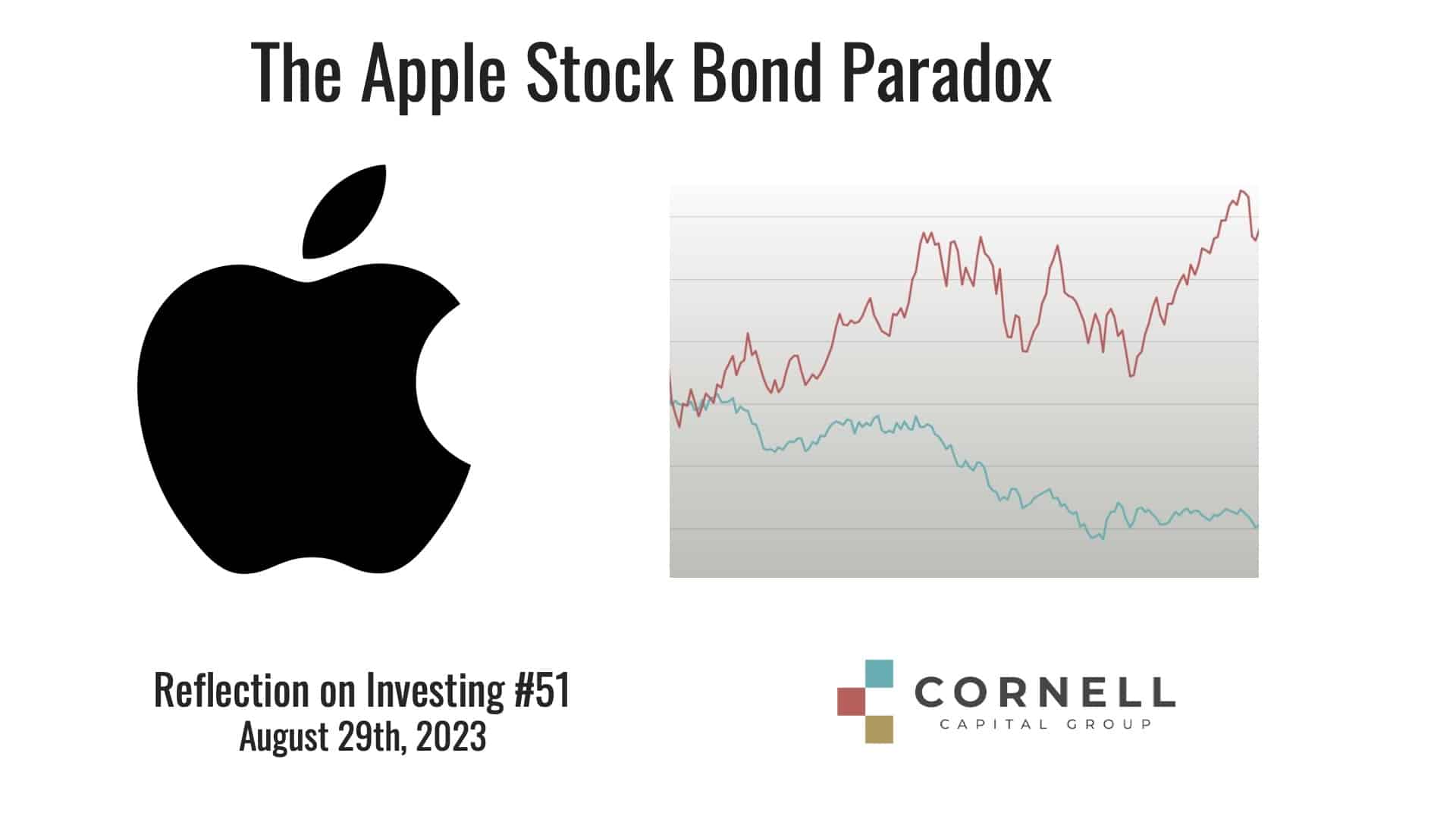
Apple’s corporate bonds exemplify high-quality investment-grade corporate debt. Backed by the company’s strong credit profile and financial stability, these bonds offer higher yields than government securities while maintaining relatively low default risk.
Investors favor Apple’s bonds for predictable income and potential capital appreciation. Including corporate bonds like Apple’s allows for moderate yield enhancement without significantly increasing overall portfolio risk.
Real-World Example 3: Inflation-Protected Securities (TIPS)

Treasury Inflation-Protected Securities (TIPS) provide a safeguard against inflation by adjusting their principal value based on the Consumer Price Index (CPI). This ensures that investors maintain their real purchasing power even during inflationary periods.
TIPS play a critical role in diversified portfolios by offering protection when inflation rises unexpectedly. They are especially valuable for long-term investors who prioritize stable real returns over nominal yields.
Real-World Example 4: Municipal Bonds (State of California)

Municipal bonds, such as those issued by the State of California, offer tax-exempt interest income for residents. These bonds support public infrastructure projects while providing investors with steady, low-risk returns.
They are particularly beneficial for high-net-worth individuals seeking to minimize tax liabilities. Including municipal bonds enhances both diversification and tax efficiency in a fixed income portfolio.
Benefits of Technology in Fixed Income Portfolio Construction
Technological advancements have transformed how investors design and manage fixed income portfolios. Modern portfolio management platforms, AI-driven analytics, and algorithmic risk assessment tools streamline the investment process and improve accuracy.
- Data-Driven Decision Making
Technology enables access to real-time market data, enhancing the ability to analyze yield curves, credit spreads, and liquidity conditions. This leads to more informed allocation and risk management decisions. - Automation and Optimization
Automated portfolio rebalancing ensures alignment with target allocations, especially when market conditions shift. Optimization algorithms help minimize tracking errors while maximizing returns. - Enhanced Risk Monitoring
AI tools can continuously monitor portfolio exposure to interest rate movements, credit events, and macroeconomic shifts. Early detection of risk allows for timely adjustments and protection of capital. - Accessibility and Transparency
Digital platforms have democratized access to fixed income investing, allowing both institutional and retail investors to manage diversified portfolios efficiently.
Practical Use Cases of Fixed Income Portfolio Construction
Fixed income portfolio construction is relevant across various investor types and economic environments:
- Retirement Planning: Provides predictable income streams for retirees who prioritize stability.
- Institutional Investors: Ensures steady cash flows for endowments, insurance companies, and pension funds.
- Economic Downturns: Acts as a defensive strategy when equity markets are volatile.
- Inflation Protection: Through instruments like TIPS, portfolios can preserve real purchasing power.
- Tax Efficiency: Municipal bonds offer significant tax advantages for eligible investors.
By aligning investment objectives with risk tolerance, investors can use fixed income portfolio construction as a foundation for sustainable long-term growth.
Frequently Asked Questions (FAQ)
1. What is the main objective of fixed income portfolio construction?
The primary goal is to generate stable and predictable income while preserving capital. This is achieved through diversification, careful credit assessment, and managing interest rate risk.
2. How does duration affect a fixed-income portfolio?
Duration measures sensitivity to interest rate changes. Longer durations mean higher exposure to rate fluctuations, while shorter durations offer more stability.
3. Why should investors include inflation-protected securities?
Inflation-protected securities, such as TIPS, help maintain purchasing power by adjusting returns based on inflation rates, making them essential for long-term income stability.