Top Home Builder Stocks: In-Depth Analysis, Trends, and Investment Insights
Investing in home builder stocks has become a strategic move for those seeking exposure to the housing and real estate market. As the demand for residential construction continues to grow, companies in this sector are increasingly attractive to investors looking for both short-term gains and long-term stability.
In this article, we’ll explore what home builder stocks are, their key drivers, real-world examples of leading companies, and how technology and market trends are shaping this dynamic investment segment.
Understanding Home Builder Stocks
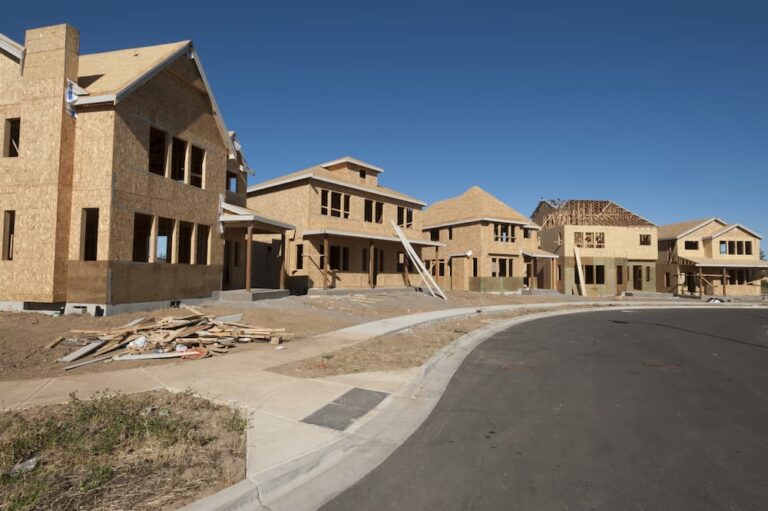
Home builder stocks represent publicly traded companies involved in the construction and sale of residential properties such as single-family homes, condominiums, and apartment complexes. These companies are crucial indicators of housing market health and are often linked to broader economic trends like interest rates, consumer confidence, and construction costs.
Investing in this category allows individuals and institutions to gain exposure to the housing cycle without directly owning physical real estate.
Key Market Influences on Home Builder Stocks
The performance of home builder stocks depends heavily on factors like mortgage rates, housing supply and demand, labor costs, and raw material prices. When interest rates are low, homebuyers tend to enter the market more actively, boosting construction activity and increasing profitability for these companies.
Conversely, when rates rise or supply chains are disrupted, the cost of materials such as lumber and steel can negatively affect margins, making stock performance more volatile.
Main Factors Driving the Growth of Home Builder Stocks
Housing Demand and Population Growth
A steady rise in population and urban migration continues to fuel housing demand. Young professionals and families entering the housing market push construction companies to expand operations, resulting in strong earnings and positive stock momentum.
For instance, in the post-pandemic era, the demand for suburban homes increased dramatically due to remote work trends, giving home builder stocks a significant boost.
Economic Stability and Mortgage Rates
Low mortgage rates encourage buyers to purchase homes, which drives up sales for home builders. When the economy shows consistent growth and inflation is controlled, investors often favor construction and housing-related equities as stable, asset-backed investments.
The relationship between mortgage rates and builder performance is one of the most direct indicators of profitability and stock valuation trends.
Real-World Examples of Leading Home Builder Stocks
Example 1: D.R. Horton, Inc. (NYSE: DHI)

D.R. Horton is the largest home construction company in the U.S., recognized for its expansive portfolio across residential segments. The company focuses on affordable housing, which appeals to first-time buyers and investors seeking steady returns.
Its strong financial management, wide geographic reach, and adaptive business model make D.R. Horton a benchmark in the home building industry.
Example 2: Lennar Corporation (NYSE: LEN)

Lennar Corporation combines traditional home construction with innovative technology-driven solutions. The company integrates digital platforms to improve design efficiency, material management, and customer engagement.
This forward-thinking approach allows Lennar to reduce costs and increase customer satisfaction, keeping its stock resilient through economic fluctuations.
Example 3: PulteGroup, Inc. (NYSE: PHM)

PulteGroup stands out for its diversified home offerings and focus on sustainability. Its emphasis on energy-efficient housing appeals to environmentally conscious consumers while also lowering long-term maintenance costs.
PulteGroup’s commitment to sustainability and consistent financial performance makes it a reliable stock for investors who value innovation and long-term growth.
Example 4: Toll Brothers, Inc. (NYSE: TOL)

Toll Brothers specializes in luxury housing developments. Despite being positioned in the high-end segment, the company has maintained profitability through market cycles by targeting affluent buyers less affected by interest rate changes.
The company’s robust brand reputation and premium property designs position it as one of the most recognized home builders globally.
The Role of Technology in Home Building Investments
Technology continues to redefine how home builders design, construct, and manage projects. Investors now evaluate construction firms not only on land ownership and pricing but also on digital innovation and automation.
How Technology Enhances the Sector
- Building Information Modeling (BIM): Streamlines design accuracy, reduces waste, and lowers project delays.
- Smart Home Integration: Builders adopting IoT and AI-driven features attract tech-savvy buyers, increasing property value and stock appeal.
- Supply Chain Optimization: Digital inventory systems reduce costs and improve project timelines.
These innovations directly enhance profit margins, operational efficiency, and long-term stock value for home builder companies.
Benefits of Investing in Home Builder Stocks
Home builder stocks offer investors several strategic benefits:
- Market Exposure: Provides indirect exposure to the growing housing market.
- Dividend Potential: Many established companies pay consistent dividends.
- Economic Insight: Reflects broader economic and consumer confidence trends.
- Diversification: Adds real estate-related assets to an investment portfolio without the burden of property ownership.
Investing in these equities allows diversification into tangible asset-backed industries, balancing volatility in traditional stock holdings.
Real-Life Use Cases and Market Applications
Case Study 1: Post-Recession Recovery Investing
After the 2008 housing crisis, investors who re-entered the market during the recovery period benefited from significant appreciation in home builder stock values. Companies that managed their debt efficiently outperformed competitors.
Case Study 2: Inflation Hedge Strategy
With rising inflation, home builder stocks often act as a hedge since property values and construction demand tend to grow alongside the costs of living.
Case Study 3: Long-Term Wealth Building
Institutional investors use home builder equities as a stable long-term asset class, benefiting from dividends and sustained growth in urban development markets.
Challenges and Risks of Home Builder Stocks
Like all investments, home builder stocks come with risks. Factors such as rising material costs, fluctuating interest rates, and labor shortages can impact profitability. Market corrections or economic slowdowns may also reduce housing demand temporarily.
Investors should monitor macroeconomic trends closely and diversify within the sector to balance risk and return potential.
FAQs
1. Are home builder stocks a good long-term investment?
Yes, especially in economies with strong housing demand and population growth. Long-term investors benefit from capital appreciation and dividends.
2. What factors influence home builder stock prices the most?
Mortgage rates, housing market trends, supply chain costs, and overall economic growth directly affect performance.
3. How can investors analyze home builder stocks effectively?
By reviewing financial reports, monitoring housing permits, and evaluating debt-to-equity ratios, investors can assess the financial health and growth potential of each company.