Rental Portfolio for Sale: Comprehensive Guide to Investing in Turnkey Rental Properties
A rental portfolio for sale refers to a collection of income-generating properties, typically residential homes, apartments, or small multi-family units owned by one investor or entity that are being sold together as a package. Rather than purchasing individual properties, investors acquire multiple income streams at once, benefiting from economies of scale and immediate cash flow.
This type of investment is particularly appealing to seasoned real estate investors, private equity groups, and institutions seeking stable returns. It allows buyers to diversify risk across several properties while reducing the effort involved in managing separate deals.
Why Investors Are Interested in Rental Portfolios
Rental portfolios for sale have become a strategic way for investors to expand holdings quickly. Unlike single property purchases, buying an entire portfolio offers instant diversification and predictable revenue. In markets with high demand for rental housing, such portfolios can yield steady cash flow and long-term capital appreciation.
Key Advantages of Investing in Rental Portfolios
1. Immediate Cash Flow
Rental portfolios typically include properties that are already leased, meaning investors start earning rental income from day one. This immediate cash flow is attractive compared to newly built or vacant properties.
2. Diversified Risk
Owning multiple units across different locations reduces exposure to vacancies or local economic downturns. If one property faces challenges, the others can balance out overall income stability.
3. Simplified Management
Portfolios often come with property management systems or teams already in place. This allows investors to focus on financial strategy rather than operational tasks.
4. Long-Term Appreciation
As property values increase, investors can enjoy both rental income and capital gains, making rental portfolios ideal for long-term wealth building.
Technological Advantages in Managing Rental Portfolios
Modern technology has transformed how investors evaluate and manage rental portfolios. Data analytics, cloud-based management software, and AI-driven valuation tools enable better decision-making and operational efficiency.
1. Data-Driven Insights
Platforms such as Roofstock and Stessa provide real-time analytics, including property performance, rent trends, and market forecasts. These insights help investors determine which portfolios offer the best risk-adjusted returns.
2. Streamlined Management Tools
Digital property management systems allow owners to monitor rent collection, maintenance requests, and tenant communication from one dashboard, increasing transparency and efficiency.
Real-World Examples of Rental Portfolio Opportunities
Roofstock Turnkey Portfolio

Roofstock, a leading marketplace for single-family rental investments, offers turnkey portfolios across U.S. markets. These often include 5–20 homes with existing tenants and professional property management. Roofstock portfolios provide instant cash flow and are ideal for investors seeking passive income with minimal involvement.
Invitation Homes Institutional Portfolio
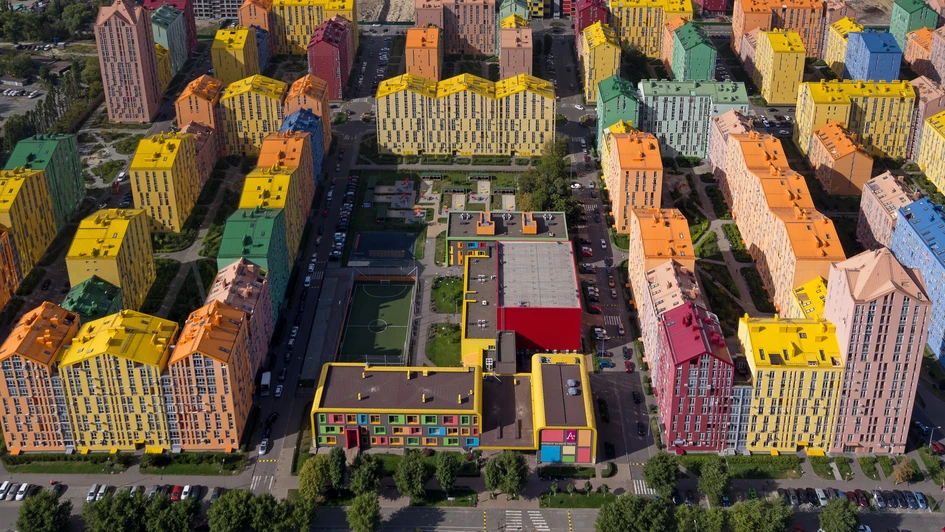
Invitation Homes manages thousands of single-family rentals nationwide. Occasionally, institutional investors sell off entire portfolios, often in high-demand markets such as Dallas or Atlanta. These portfolios typically attract funds looking for stable rental yields and capital growth.
Local Investor Portfolio Resale

Individual investors sometimes list their entire rental portfolios for sale, commonly 3 to 10 properties in one region. These resales appeal to mid-level investors who want control over localized markets while acquiring ready-to-earn assets.
Real Estate Investment Trust (REIT) Divestitures

Some REITs periodically sell off parts of their rental portfolios to rebalance assets. These sales often consist of high-value properties with consistent occupancy rates, ideal for institutional buyers seeking predictable performance.
Build-to-Rent (BTR) Community Portfolio
BTR portfolios consist of newly developed homes built specifically for rental purposes. Investors benefit from modern amenities, lower maintenance costs, and long-term tenant retention.
Use Cases and Practical Applications
1. Passive Income Generation
Investors aiming for financial independence find rental portfolios ideal for generating monthly income without daily operational hassles. Managed portfolios let investors focus on strategic growth while professionals handle property maintenance.
2. Portfolio Diversification
Adding rental portfolios to an existing investment strategy spreads risk across real estate sectors. It also provides balance against volatile assets like stocks or crypto.
3. Institutional Growth Strategy
Private equity firms and funds often acquire rental portfolios to achieve rapid growth in asset management value. The ability to buy in bulk allows them to scale operations efficiently.
4. Market Entry for New Investors
For newcomers with sufficient capital, buying a small rental portfolio can offer immediate exposure to real estate returns without the need to build from scratch.
Practical Benefits of Owning Rental Portfolios
Owning a rental portfolio provides financial security, predictable income, and scalability. The economies of scale in property management reduce per-unit expenses, while appreciation and rental increases enhance long-term returns.
Additionally, portfolio ownership gives investors negotiating leverage when refinancing or expanding into new markets. The ability to use portfolio assets as collateral also supports further investment growth.
Frequently Asked Questions (FAQ)
1. What is included in a rental portfolio for sale?
A rental portfolio for sale typically includes multiple leased properties, management arrangements, and sometimes maintenance contracts. Buyers acquire both the physical assets and the income streams they generate.
2. Are rental portfolios suitable for beginner investors?
Yes, provided they have sufficient capital and understand basic real estate principles. Many portfolios come with professional management, allowing passive ownership while learning market dynamics.
3. How do investors evaluate a rental portfolio’s value?
Investors assess rental income, property condition, occupancy rates, and local market trends. Advanced analytics platforms also assist in evaluating cap rates and long-term appreciation potential.