Global Guide to International Real Estate Investing: Opportunities, Risks, and Smart Strategies
Investing in real estate across borders has become increasingly popular among modern investors looking to diversify their portfolios, generate passive income, and build long-term wealth. International real estate investing allows individuals and corporations to buy, manage, or lease properties outside their home country, tapping into different economies, currencies, and growth potentials.
In this in-depth guide, we’ll explore what makes international property investment attractive, how to navigate legal and financial challenges, the technology shaping global property markets, and real-world examples of successful global investments.
Understanding International Real Estate Investing
International real estate investing involves purchasing property in another country, whether for personal use, rental income, or capital appreciation. The core idea is diversification: by spreading assets across different countries, investors reduce dependence on a single economy and mitigate risks such as inflation or political instability.
Global investors typically focus on high-growth regions, tourism destinations, or urban centers with rising demand for residential and commercial spaces. Popular markets include Portugal, Spain, Thailand, Dubai, Mexico, and Singapore, each offering unique tax benefits and property ownership laws.
For example, investors seeking rental yields might target emerging tourism destinations like Bali or Phuket, while those focusing on stability may prefer markets like London or Zurich.
Key Benefits of International Real Estate Investing
Diversification of Investment Portfolio
Real estate across multiple countries allows investors to protect wealth from localized downturns. If one market experiences economic decline, investments in other regions can balance returns. This global diversification strategy is a cornerstone of wealth management among high-net-worth individuals.
Currency Advantage and Inflation Hedge
Property values and rental income are tied to local currencies. When an investor holds assets in a stronger foreign currency, returns may increase after conversion to their home currency. Real estate also serves as a natural inflation hedge since property values typically rise with the cost of living.
Access to Residency and Citizenship Opportunities
Many countries offer “Golden Visa” programs, investment-based residency or citizenship initiatives for foreigners who invest in local real estate. Portugal, Greece, and Spain are notable examples. Investors gain not only property ownership but also the right to live, work, and travel freely within specific regions.
Challenges and Risks in Global Property Investment
Legal Complexities and Ownership Restrictions
Each country has distinct laws regarding property ownership by foreigners. Some nations allow freehold ownership, while others limit it to leasehold or joint ventures with locals. For instance, Thailand restricts land ownership for foreigners, but condos can be owned outright under certain conditions. Understanding local regulations is essential to avoid legal complications.
Taxation and Financial Management
Taxes vary greatly across borders, including property tax, capital gains tax, and inheritance rules. Without proper planning, investors may face double taxation. Consulting with international tax advisors helps structure property ownership efficiently and maximize returns.
Market Volatility and Currency Fluctuation
Currency exchange rates can significantly impact profits. A property might appreciate in local value, but unfavorable currency shifts could offset gains when converting back to the investor’s home currency. Therefore, monitoring economic indicators and geopolitical trends is crucial.
How Technology Is Transforming International Real Estate Investing
Technology has simplified cross-border real estate transactions, making global investing accessible to a wider audience. From digital platforms to blockchain-based contracts, technology offers transparency and efficiency.
PropTech and Virtual Real Estate Tours
Insert image of a user exploring a property using virtual reality technology.
PropTec,h short for Property Technolo,gy enables investors to research, tour, and evaluate properties remotely. Through virtual reality (VR) and 3D mapping, potential buyers can experience immersive walkthroughs of properties anywhere in the world, reducing the need for travel and accelerating decision-making.
Blockchain and Smart Contracts
Blockchain technology allows secure and transparent recording of property transactions. Smart contracts eliminate intermediaries by automating agreements once predefined conditions are met. This minimizes fraud, reduces processing times, and lowers transaction costs.
Big Data and Predictive Analytics
Big data tools analyze market trends, rental demand, and property performance across countries. Investors use this data to identify undervalued areas or emerging hotspots, ensuring more strategic decisions. Artificial intelligence (AI) models can predict property appreciation and help optimize portfolio management.
Real-World Examples of International Real Estate Investment Success
Dubai’s Smart City Developments

Dubai’s commitment to becoming a “smart city” has drawn global investors. With no property tax and strong infrastructure growth, areas like Dubai Marina and Downtown Dubai have seen steady appreciation. International investors from Europe and Asia purchase apartments for both rental yield and capital growth.
Dubai’s government-backed digital registry ensures transparent property ownership, reducing fraud and streamlining transactions, a model admired globally.
Portugal’s Golden Visa Program

Portugal’s Golden Visa scheme offers residency to foreigners investing in properties worth €500,000 or more. Investors benefit from stable returns, a thriving tourism market, and EU residency rights. Lisbon and Porto have become magnets for global investors seeking lifestyle, rental income, and access to European markets.
The Portuguese government’s digital property registration system and English-speaking legal services further simplify the process for international buyers.
Mexico’s Coastal Property Boom

Mexico’s Riviera Maya region, particularly Tulum and Playa del Carme,n has experienced a surge in international investments. North American and European investors are drawn by high Airbnb occupancy rates, growing tourism, and relatively low property costs.
While foreign investors cannot directly own coastal land under Mexican law, they can use “fideicomiso,” a trust structure managed by Mexican banks that safeguards ownership rights. This has opened the door for thousands of successful international purchases.
Singapore’s Real Estate Stability
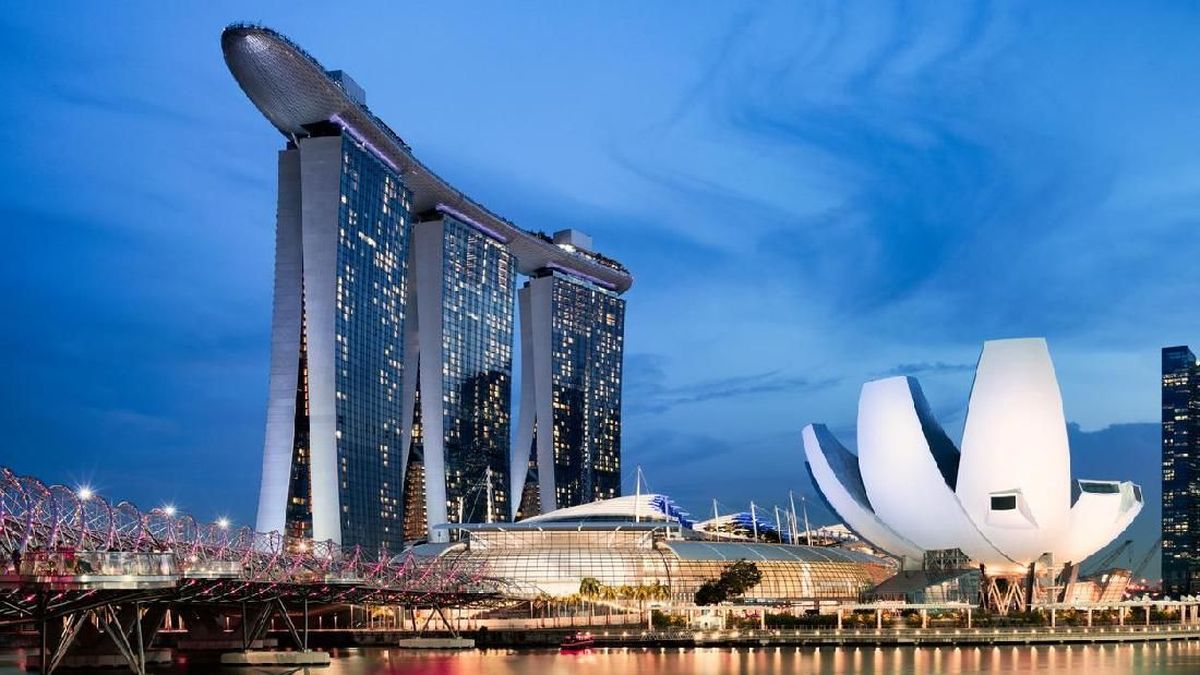
Singapore remains one of the safest and most transparent property markets globally. Though foreign ownership incurs additional stamp duties, investors value its stable economy, strict regulations, and long-term appreciation potential.
The government’s robust digital land registry and smart-city initiatives enhance transparency, attracting investors looking for low-risk, high-value assets.
Practical Use Cases: How Investors Apply International Real Estate Strategies
Building Passive Income Streams
Global investors often purchase rental properties in high-demand tourist or expat regions to generate consistent cash flow. Vacation rentals in cities like Barcelona or Bali yield higher short-term returns compared to traditional leases.
Asset Protection and Wealth Preservation
Owning properties in politically stable countries protects wealth from home-country economic instability or currency devaluation. Real estate serves as a tangible store of value that is less volatile than stock markets.
Portfolio Diversification for Long-Term Security
Institutional investors and family offices allocate a percentage of their assets to international real estate to balance risk and return. By combining properties from multiple continents, they achieve more resilient investment portfolios that can withstand global financial shifts.
Future Trends in International Real Estate Investing
The future of international property investment will be driven by digital platforms, sustainable development, and data-driven insights. Emerging trends include:
-
Green buildings and eco-friendly developments appeal to sustainability-focused investors.
-
Fractional ownership platforms aallowsmaller investors to buy shares in global properties.
-
AI-powered valuation tools eenablemore accurate and real-time property assessments.
-
Remote property management systems ssimplifyownership logistics for global investors.
As global connectivity increases, so will opportunities for individuals to invest confidently across borders provided they stay informed and leverage modern tools.
Frequently Asked Questions (FAQ)
1. Is international real estate investing suitable for beginners?
Yes, but it requires careful research and professional guidance. Beginners should start with stable, transparent markets like Portugal, Spain, or Singapore, and seek legal and tax advice before purchasing property.
2. How can investors reduce risks when buying property abroad?
Due diligence is essential. Investors should verify property ownership, local laws, and tax implications. Using reputable local agents and lawyers can prevent costly mistakes and fraud.
3. What types of properties offer the best returns internationally?
Tourist-focused rental properties, urban apartments in developing economies, and commercial spaces in fast-growing cities often deliver strong yields. However, each market’s success depends on economic stability, demand, and currency trends.