Pre Construction Investment: Ultimate Guide to Smart Early-Stage Property Investing
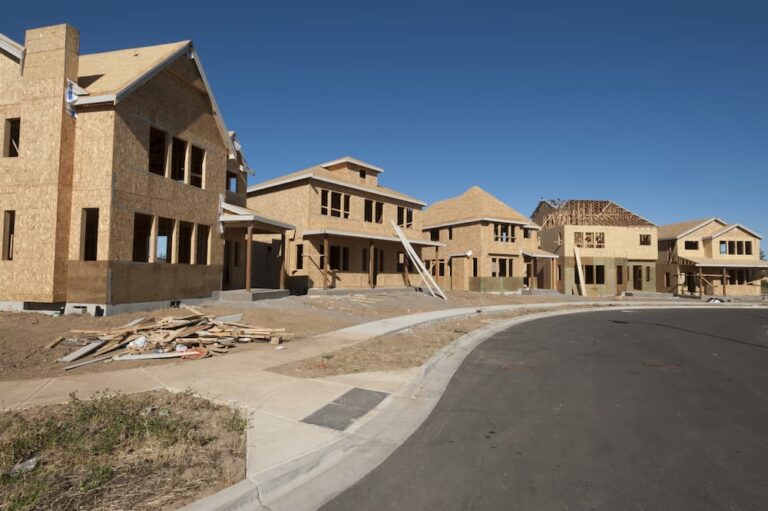
Pre-construction investment refers to committing capital into a real-estate asset (typically a residential condominium, townhouse, or mixed-use development) or other property even before the building is completed, sometimes during planning or while construction is underway.
In such investments, you buy or reserve the unit (or property interest) based on plans, renderings, a model unit, or early-stage construction progress, often at a lower price than comparable fully built properties.
The appeal of pre-construction investment lies in the possibility of capturing price growth between acquisition and completion, favorable pricing or incentives from the developer, gaining first choice of units, and leveraging insider timing. The main advantage is locking in today’s price and paying in staged deposits while the property is built, thereby potentially realizing appreciation before occupancy.
However, it is essential to recognize that along with higher upside come higher risks since you are essentially committing before full proof of construction completion, market reception, and delivery of promised amenities.
Pre-construction investment is not just about buying early; it also involves understanding developer reputation, contract terms, financing structure, market cycles, and exit strategy. For investors seeking a strategic foothold in real-estate growth markets and willing to hold through construction completion, this type of investment offers a distinct route to value creation.
Key Considerations Before Committing to a Pre-Construction Investment
Since you are investing before the asset is fully built, it is critical to evaluate factors that will impact both risk and potential reward. One key consideration is the developer’s track record, past performance in completing similar projects, delivery timelines, quality of finish, and any history of cancellation or major delay. Because you are buying something not yet realized, you must scrutinize the developer.
Another important factor is market fundamentals: Is the location experiencing demand growth? Are infrastructure upgrades, transit, employment, or demographics supportive? A pre-construction project in a weak market may struggle to deliver price appreciation or rental demand by the time of completion. Also consider pricing progression: early-bird pricing often exists, but if the market overshoots expectations or remains flat, your margin shrinks.
Other considerations include: the length of construction and holding period; financing risk (deposits, loan availability, changes in interest rates); contract terms (cancellation rights, assignment rights, developer reserves); and exit strategy (will you rent, hold long-term, resale, or assign before closing?). Because construction delays, cost overruns, or market changes may impact outcomes, investors must approach with realistic expectations and a willingness for risks.
Real-World Examples of Pre-Construction Investment Opportunities
Below are three example scenarios showing how pre-construction investment takes shape in different contexts. Each provides detailed insight into how the strategy can be applied.
Urban Condominium Pre-Construction Project
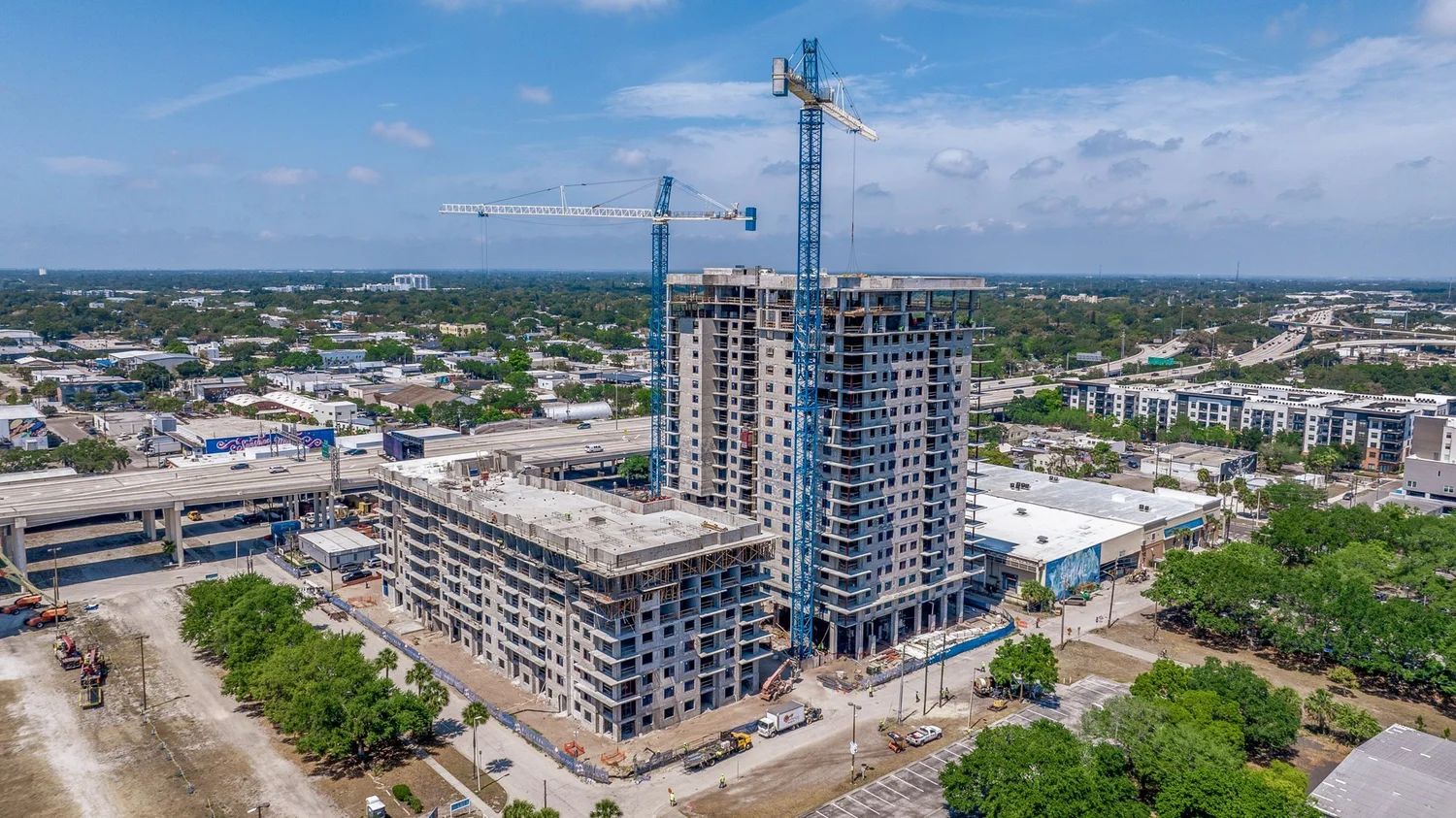
An investor reserves a unit in a downtown high-rise project while it’s still in the pre-construction phase (foundation or below-ground). At the reservation, the price is set at a lower level to attract early buyers. Over the next two to three years, the building is completed, neighborhood rents or sale prices climb, and the investor either takes possession and leases at modern rental rates or sells the unit at a premium. This approach captures both early-entry discount and market appreciation. The investor benefits especially if the project features high-quality finishes, good amenities, and strong location fundamentals.
However, the investor must monitor progress: delays in construction or changes in the local market (e.g., an oversupply of condos) can erode expected gains. Also, the deposit schedule, contract rights (assignment or default), and ability to finance at closing are vital. This example shows the pure play of price appreciation plus rental or resale upside.
Pre-Construction Townhouse/Low-Rise Development in Growth Suburb
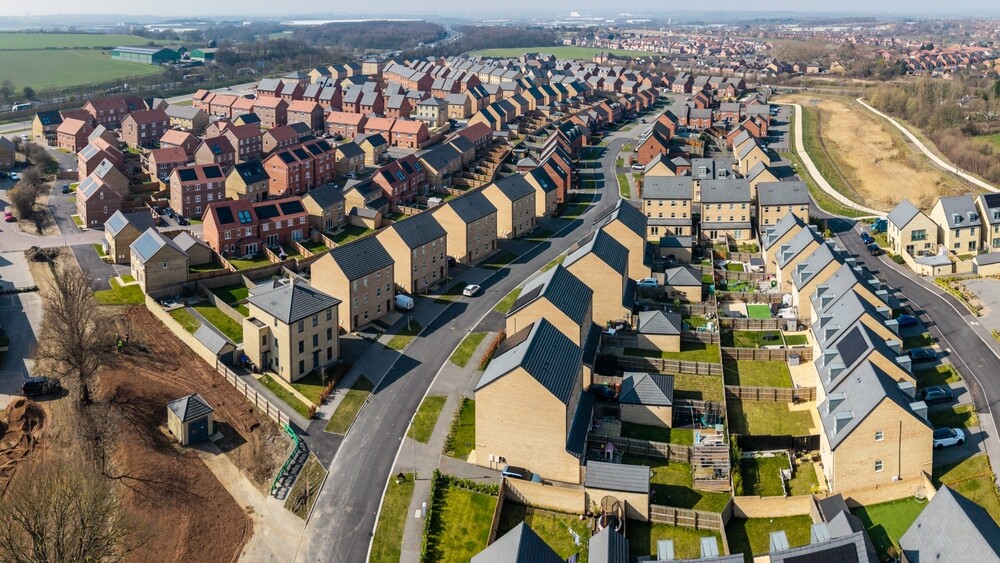
In a growth corridor suburb of a major city, a developer begins a townhouse cluster in a new master-planned community. The investor purchases one of the units at the pre-construction stage, enabling a lower entry cost, choice of layout/finishes, and a timeline to completion of perhaps 18-24 months. During the build period, the suburb’s infrastructure (schools, shopping, transit) develops, raising demand and property values. By the time the unit is ready for occupancy, the investor either places a tenant at modern rental rates or sells at a margin above reservation.
This scenario leverages growth in suburban demand, development of amenities, and newer housing trends. For the investor, it offers customization advantage (choosing finishes) and entry-pricing advantage. But risk remains if the suburb fails to grow as projected or if construction delays extend timelines and financing burdens increase.
Pre-Construction Mixed-Use or Commercial-Light Project
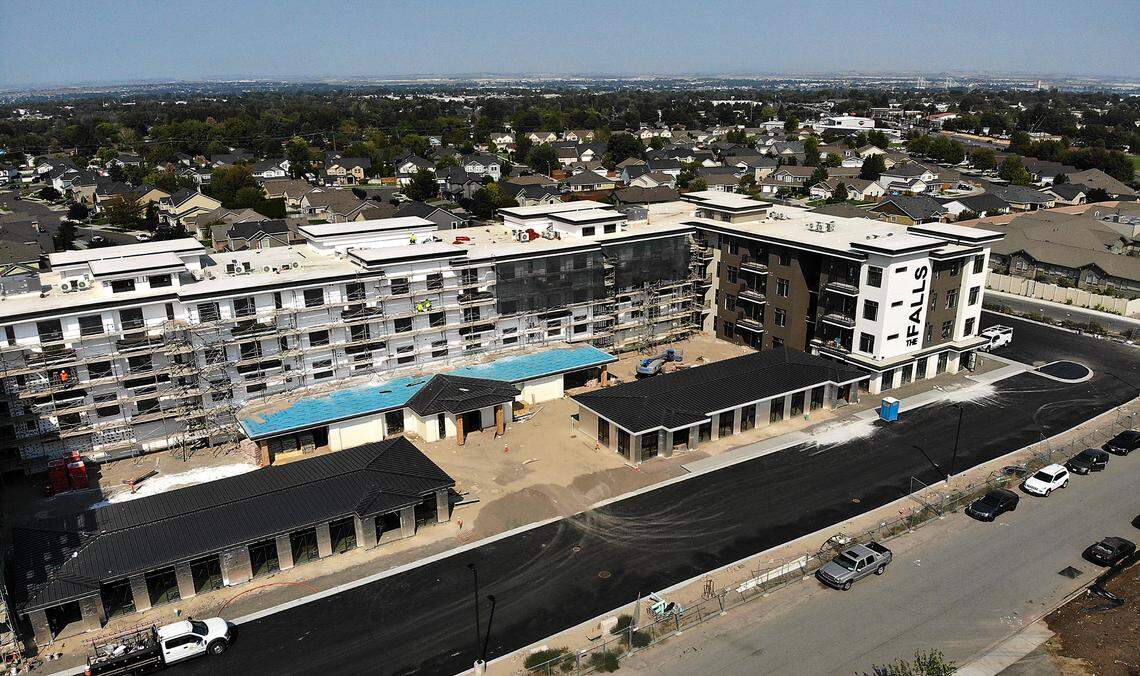
A more ambitious investor participates in a pre-construction phase of a mixed-use development (residential units above retail/office space) in an emerging urban district. The investor either buys residential units early or secures an interest in the development’s commercial component. The logic: new mixed-use developments often attract higher tenant demand, younger demographics, and lifestyle-oriented renters willing to pay a premium. The early-stage investment may gain from being in on the ground floor, with the potential for both rental yield and long-term appreciation as the area matures.
In this case, the investor’s value creation hinges on broader neighborhood growth, developer execution, and timing of market acceptance. The upside is higher potential but with commensurately higher complexity: construction timelines can be longer, approvals more complex, and market risk slightly greater.
Benefits of Pre-Construction Investment: Why Smart Investors Use This Strategy

Lower Entry Cost & Early Access to Pricing Advantage
One of the primary benefits is buying at a “pre-construction” discount compared to finished units. Developers often offer incentives or lower pricing to early buyers because they require sales to finance construction. As a result, the investor locks in today’s pricing and may benefit if market prices rise during construction.
Customization and Modern Asset Features
Since the property is built after reservation, investors may have the chance to select finishes, layout options, floors, or views in certain markets. This customization can enhance rental appeal or resale value. Moreover, new builds typically attract premium rents or buyer demand because of updated features, lower maintenance, and modern amenities — offering an operational advantage when held as investment property.
Longer Lead-Time Allows Planning & Value Creation
Since construction takes time, the investor has a lead time to plan financing, arrange leasing, or wait for property appreciation. This buffer can allow cash-flow management, tax planning, or market positioning. The timeline also allows for growth in the surrounding region (infrastructure, transit, neighborhood amenity improvements), which the investor can benefit from.
Reduced Maintenance & New Asset Risk
Compared to older properties, new builds avoid immediate major replacement costs. Since the asset is brand-new (or nearly so), the investor inherits minimal deferred maintenance, modern systems, and often warranties from the developer. This lowers operational risk and can reduce unexpected expenditures during the early years of ownership.
Potential for Enhanced Exit & Resale Premium
Because the investor enters early, the margin for upside is greater if the market appreciates or if the development becomes highly sought-after. Early units may command a premium upon completion, especially in strong markets. In addition, resale possibilities may include assignment of contract, selling post-completion, or converting to a rental position. This flexibility is a key benefit for investors seeking more than passive buy-and-hold.
Use Cases: What Problems Pre-Construction Investment Solves & Why It’s Useful
Use Case 1: Timing Entry Ahead of Market Appreciation
Problem: An investor wants exposure to real-estate value growth in a developing market, but competition and pricing are already elevated for existing properties.
Solution: By choosing a pre-construction unit, the investor secures a lower entry price and buys ahead of completion when the market may appreciate. When the development completes, the investor benefits from both price growth and modern asset features.
Why it’s useful: This solves the challenge of high purchase cost and limited inventory of existing assets, allowing the investor to position for upside and occupy or lease at better terms than older stock.
Use Case 2: Limited Capital, Yet Seeking Upside & Customization
Problem: An investor has moderate capital and wishes to invest in real estate with potential upside rather than merely acquiring an older property with higher maintenance risk.
Solution: Investing in a pre-construction property allows a smaller deposit or staged payments, and access to customization options (floor, finishes, unit selection), which may enhance value and rental appeal.
Why it’s useful: This approach mitigates some of the entry cost burden and provides value creation via customization and new-build advantages rather than relying solely on price appreciation.
Use Case 3: Renting or Leasing a Modern Asset in an Emerging Location.
Problem: A property investor wants to provide rental housing in an emerging neighborhood but finds that older properties lack modern amenities and have higher maintenance/turnover risk.
Solution: A pre-construction investment secures a new unit with modern systems, an appealing layout, and desirable finishes, in a location that’s improving. Upon completion, the investor can lease at premium rents and attract higher-quality tenants.
Why it’s useful: It addresses the operational risk of older assets, enhances tenant appeal, reduces maintenance costs, and aligns with demand for newer, lifestyle-oriented rental units.
Key Risks and How to Mitigate Them
While pre-construction investment holds attractive benefits, it carries unique risks that must be addressed proactively.
Construction delays and developer risk: Since the asset is not yet complete, delays due to labor, supply chain, permitting, or developer financial troubles can extend timelines or erode value. Ensuring the developer has a strong track record, sufficient financial backing,g ana d credible timeline is critical.
Market downturns and appraisal risk: A downturn in local real-estate markets during construction can reduce expected appreciation or rental demand, potentially leaving the investor with reduced upside or difficulty refinancing. Conservative market projections and stress-testing the investment help mitigate this risk.
Contract terms and deposit structure: Pre-construction contracts may include assignment restrictions, deposit forfeiture if financing falls through, or last-minute price increases. Close review of contract terms (deposit timing, cancellation rights, pre-closing occupancy fees) is vital.
Financing availability at completion: Some lenders may not pre-approve a loan for a property until it’s substantially completed, meaning the investor must plan capital accordingly. This risk is particularly acute if interest rates rise during the build period or the investor’s personal financial situation changes.
Holding costs and vacancy or rental risk: Between completion and stabilization (tenant move-in or resale), there may be holding costs (HOA, interest, taxes, utilities) with limited income. Investors must allow for this in cash-flow modeling.
By addressing these risks through due diligence, realistic modeling, and contingency planning, investors can enhance the likelihood of success in pre-construction investments.
Summary and Strategic Takeaways
Pre-construction investment offers a compelling pathway for real-estate investors to acquire assets at early-stage pricing, secure customization benefits, and ride market appreciation while gaining access to modern builds. However, success depends heavily on meticulous evaluation of developer quality, market fundamentals, contract terms, timing, financing readiness, nd exit strategy.
Key takeaways:
-
Enter early but armed with a deep due diligence developer track record, market growth, and contract clarity.
-
Match your investment objective to the timing and hold horizon know whether you’re aiming for rental income, resale, or assignment.
-
Factor in lead-time, holding costs, and market risk; don’t assume linear growth.
-
Seek assets in a strong market with favorable infrastructure, rental demand, or growth potential versus speculative locations.
-
Use the new-build advantage: lower maintenance, modern systems, customization, and strong tenant appeal if holding for rental.
-
Plan exit strategy upfront, what conditions will prompt resale, refinance, or lease-hold?
-
Recognize that while upside is meaningful, volatility and execution risk are non-trivial.
For investors willing to take on the complexity of early-stage property investment and equipped with the right preparation, pre-construction investment can be a strategic component of a diversified real‐estate portfolio.
Frequently Asked Questions
1. How early is “pre-construction” and how does that impact risk?
Pre-construction refers to acquiring a property before it is completed, often when only planning, permitting, or early build phases are underway. The earlier you enter, the lower the price you may pay, but the higher the risk (construction delays, developer uncertainty, market changes). Later-stage units (near topping-out) carry less execution risk but often less discount.
2. Can I sell or assign a pre-construction unit before completion?
In many markets, yes, but this depends on the developer’s contract. Some contracts restrict assignments or impose fees. The ability to assign offers liquidity, but the investor should check assignment rights, fees, and market demand for such pre-closing sales.
3. What hold-period should I plan for when investing pre-construction?
Typically, you should anticipate a hold period of 2-5 years (or longer) between reservation and move-in or completion. If you plan to rent the property, allow additional time to stabilize occupancy. A longer horizon may align better with market appreciation and amortize risk; shorter-term flips carry more risk due to construction/market timing.